


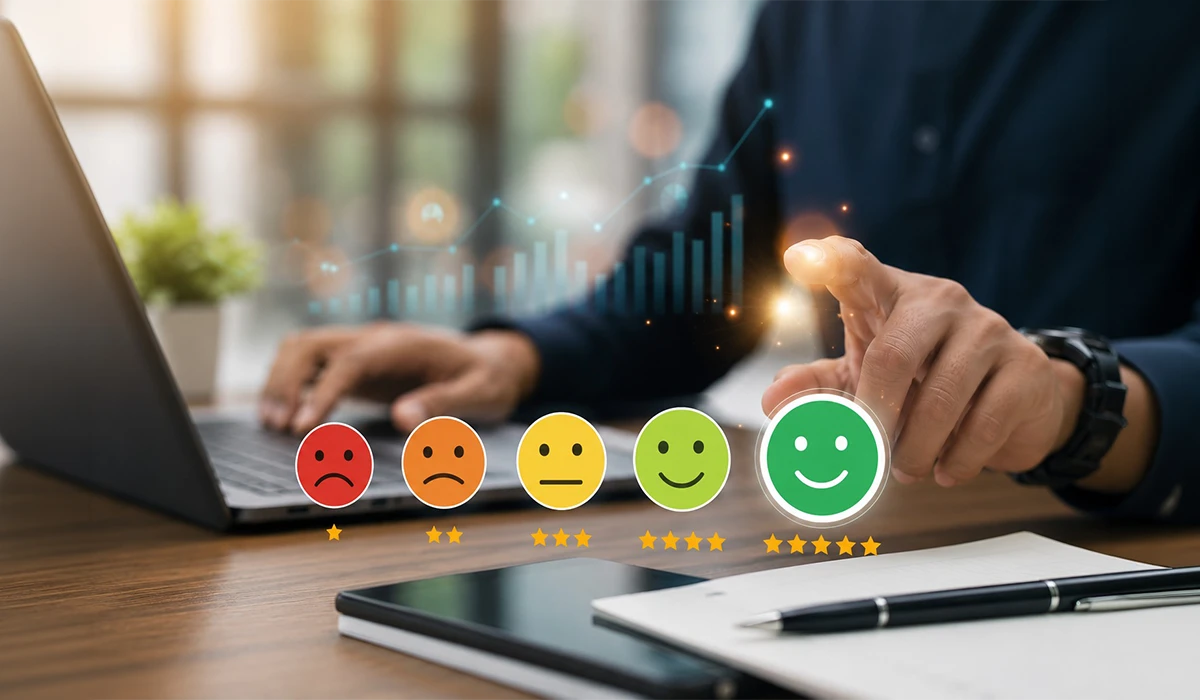
Net Promoter Survey results are most valuable when customer opinions are collected at the right moment. While customer perceptions evolve throughout their journey, sending surveys too early or too late can lead to incomplete or less reliable insights. Choosing the right timing helps organisations capture meaningful feedback that supports informed decisions and continuous improvement.
For businesses that rely on continuous improvement, survey timing plays a significant role in understanding changing consumer expectations. Well-planned research captures authentic responses that support better products, stronger services, and more meaningful customer experiences. Instead of viewing survey timing as a routine step, organisations should consider it a strategic part of their research process.
Why Timing Matters in a Net Promoter Survey for Consumer Insights
It is rare for consumers to have a permanent opinion after just one exposure. The perceptions formed by consumers interact with the product, customer service, or any other form of service that the company offers. Collecting responses at an appropriate time will help companies evaluate these perceptions.
Timely surveys are more insightful because the consumers have had sufficient time to assess how things have gone and what needs improvement. This will generate more reliable data for teams that are tasked with innovation, customer experience, and strategic planning.
Instead of just concentrating on the scores, businesses can make use of the results of the research to discover new expectations, changing preferences, and potential for improvement of future customer experience. This approach transforms feedback into practical knowledge that supports continuous innovation.
Consumer Behaviour Changes Faster Than Most Businesses Expect
Customers’ expectations keep getting affected by new products, online experience, and market trends. The things that have impressed customers a few months back might not impress them any longer. It is important for companies to understand these changes so that they can act on time before customer expectations change.
Research should reflect this evolving behaviour rather than treating customer opinions as static. A properly conducted customer satisfaction survey allows organisations to see the experience process unfolding in a particular way.
Choosing the Right Customer Touchpoints for Meaningful Feedback

There are different insights generated by different stages in the customer journey. The right timing ensures the generation of valuable insights that can help businesses make future improvements.
After Purchase
Once the transaction has been completed, consumers can recall the purchase process quite well. They can provide their comments about product availability, order process, payment process, delivery expectations, and the entire experience of purchase. Yet asking consumers for their views on product performance before they have used it sufficiently would result in their impressions being more dominant in nature.
Waiting until customers have experienced the product creates a more balanced net promoter score survey. Their responses become more informative because they can evaluate both the purchasing process and the value received after using the product.
After Onboarding
Products or services that demand setup or activation provide great opportunities for learning during the onboarding stage. This is because customers can determine if the instructions are clear, the material provided is helpful, and using the product or service is easy.
The feedback obtained after onboarding usually reveals ways to make the process easier. Minor alterations to information resources, instructional guides, or communications could eliminate obstacles that would otherwise keep customers from becoming fully engaged.
After Customer Support
The customer’s perception about a support engagement tends to be influenced long after the actual problem has been solved. Conducting a survey right after the case is sorted out will enable companies to know if their solution was satisfactory and if the conversation was always professional.
This information is especially useful since it identifies ways to enhance the process of service recovery rather than just assessing the initial problem. Properly designed customer satisfaction questionnaires can help identify such recurring issues.
After Repeat Purchase
Customers who return for another purchase usually evaluate a business differently from first-time buyers. Their opinions are based on consistency, reliability, and whether previous experiences encouraged them to come back.
Surveying at this stage helps organisations understand which factors continue to build trust over time. These findings often reveal strengths that support customer loyalty as well as areas where expectations are gradually changing.
After Subscription Renewal
The subscription renewal takes place after the customer uses the product or service for quite some time. At this point, the customers have been able to experience the product and develop a sound opinion about its value.
Data gathered after renewal helps understand long-term use patterns instead of impressions gained in the short run. Organizations will be able to see what is still providing them with value, where they need to improve, and what new innovations might enhance their future products.
Avoiding Timing Mistakes That Limit Valuable Insights
Even a well-designed survey may produce unreliable findings if it reaches customers at the wrong moment. Careful planning helps organisations collect responses that better represent real customer experiences.
- Sending surveys before customers gain enough experience to make an unbiased opinion.
- Waiting for such a time when important information becomes hard to recall.
- Surveys of all customers at the same phase, although their buying journey is different.
- Failing to consider seasons or significant changes in products that can affect responses.
- Conducting surveys too often, resulting in survey fatigue among respondents.
Businesses conducting NPS Surveys often achieve more meaningful outcomes when survey schedules align with actual customer interactions rather than fixed calendar dates. This approach supports stronger consumer insight while reducing unnecessary response bias.
How a Net Promoter Survey Supports Innovation and Better Consumer Decisions
Innovation is all about comprehending the process of how a customer interacts with a certain product or service. An effective net promoter survey uncovers insights that cannot easily be seen from operating data; expectations that have been unmet, needs that are not being satisfied, and areas of improvement within the product or service.
Reviewing customer retention survey findings alongside recommendation data helps organisations identify recurring trends and prioritise meaningful improvements. Instead of responding to isolated comments, businesses can focus on changes that enhance products, services, and the overall customer experience.
Best Practices for Planning Survey Timing
Choosing the right survey schedule improves both response quality and the usefulness of the insights collected.
- Allow customers enough time to experience the product or service before requesting feedback.
- Match survey timing to important customer journey milestones instead of using fixed dates.
- Segment audiences based on their interaction with the business to improve response relevance.
- Avoid sending multiple surveys within a short period to reduce survey fatigue.
- Compare responses over time to identify changing consumer expectations.
- Combine survey findings with other research methods for a broader understanding of customer behaviour.
Most companies carrying out NPS surveys in UAE are increasingly adopting the practice of survey planning according to the customer journey rather than following standard periods. This approach produces richer insights that support continuous improvement and innovation.
The Role of Market Research in Building Smarter Customer Strategies
Survey results become more meaningful when they are supported by broader research. Market research in UAE allows businesses to link the feedback provided by customers with trends in the market and changing consumer demands.
Cooperating with a reputable market research company in UAE enhances the process of survey planning, selecting respondents, and analyzing results. It helps companies develop valuable information, helps them in product development and service improvements, among other strategies.
Conclusion
The effectiveness of a net promoter survey is determined not just by what questions are asked, but when they are asked. The well-timed survey will be one that provides real experience, minimizes response biases, and creates insight for innovation rather than just performance measurement.
Companies that recognize survey timing as part of their research methodology have the advantage of gaining insight into how consumer expectations are changing. Through analyzing data within the context of the buyer’s journey, businesses will be able to enhance their products, improve their services, and make informed business decisions. This is achieved by working with a market research agency that has the knowledge of conducting surveys in an effective manner.
At Anaemo Insights, we design and manage research programmes that help organisations understand consumer behaviour, improve customer experiences, and make confident business decisions.
Related Posts

October 1, 2026
NPS Survey: How Can Customer Segmentation Reveal Differences in Customer Advocacy?
NPS survey results can indicate customers’ willingness to recommend a brand, but the overall result…
September 24, 2026
Customer Satisfaction Survey Company: How Can Brands Use Statistical Patterns to Understand Customer Experience?
Customer satisfaction survey company research can provide insights beyond simply measuring whether customers are satisfied…

September 19, 2026
Product Testing Research in UAE: How Can Brands Identify Features That Influence Product Acceptance?
Product testing research gives brands a closer look at what happens when consumers actually experience…

September 12, 2026
Customer Survey Companies UAE: How Can FMCG Businesses Identify Unmet Consumer Needs in Crowded Markets?
Customer survey companies can help FMCG businesses understand what shoppers still need when a category…