


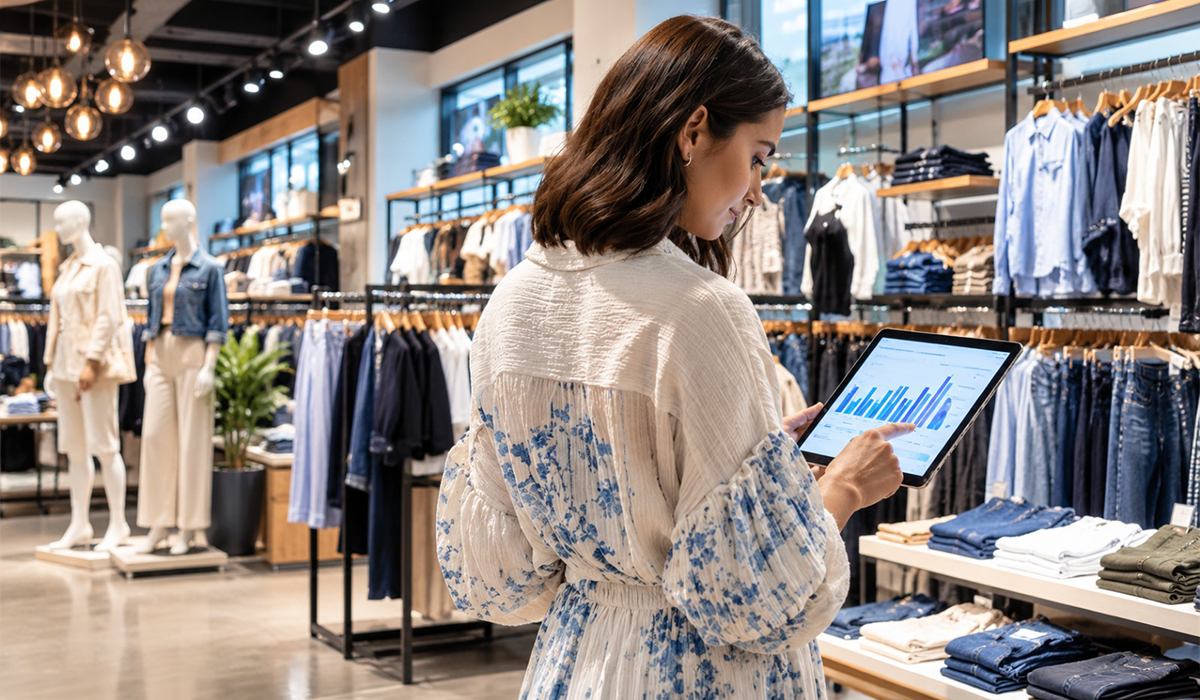
Retail audit data collection helps businesses compare market research findings with conditions inside retail outlets. Surveys and interviews can reveal consumer preferences, purchase intentions and brand perceptions, but these findings do not always reflect what happens at the point of sale. Examining actual store conditions helps researchers identify gaps between reported preferences and the retail experience before drawing conclusions.
Why Store-Level Evidence Matters
Compare consumer preferences with product availability
Consumers may express a preference for a particular product, yet that interest may not translate into purchases if the item is unavailable or difficult to find. Researchers can compare consumer responses with stock availability, shelf positioning, product visibility and the presence of competing brands. This helps determine whether weak sales may relate to limited demand or barriers to product access.
The retail audit data collection in UAE can help businesses examine these differences across retail formats and locations. Comparing observations from multiple outlets makes it easier to distinguish isolated problems from patterns that affect a wider retail network.
During an audit, researchers can record:
- Product availability and stock gaps.
- Shelf positioning and product visibility.
- Presence of competing brands.
- Differences between expected and actual product placement.
Examine how promotions are implemented
Promotional campaigns may perform differently from expectations when their execution varies between stores. Discount labels, display placement and promotional materials can influence whether shoppers notice an offer and understand its terms. Even a well-designed campaign may lose impact if the intended message is not communicated clearly at the point of sale.
Structured retail audit services can document whether promotional activities are displayed and implemented as planned. Mystery shopping can provide additional insight into how staff explain offers, respond to customer questions and deliver the expected service experience.
Researchers can check:
- Whether promotional signs are visible and accurate.
- Whether advertised prices match displayed prices.
- Whether promotional products are positioned as intended.
- Whether staff can explain the offer clearly.
Investigate the causes of unexpected findings
A difference between research results and store observations does not necessarily mean that the original findings are incorrect. A product may receive positive feedback but remain poorly positioned, or shoppers may report difficulty finding an item despite sufficient stock. Researchers need to examine the circumstances behind these differences rather than making assumptions.
In-depth interviews with relevant retail personnel can help explain issues such as replenishment delays, display decisions or differences in store procedures. These discussions provide context for interpreting observations and help researchers identify which issues require further investigation.
Combining Retail Observations with Consumer Insights
Understand shopping behaviour in context
Store conditions reveal what is available, but they do not always explain how shoppers interact with products. Researchers may need to understand how customers navigate aisles, compare alternatives or respond to product displays. Ethnography can reveal these behaviours in their natural setting, adding context that may be difficult to obtain through direct questioning alone.
This approach strengthens retail market research by helping businesses understand how the retail environment may influence customer decisions. Combining observed behaviour with consumer feedback provides a more complete view of the shopping experience.

Check whether findings reflect wider consumer patterns
Observations from a small group of stores should not automatically be treated as representative of an entire market. Customer profiles, store formats, product ranges and local purchasing habits can influence the findings. Researchers should consider these differences when deciding whether a pattern applies more broadly.
Retail audit data collection companies in UAE can support this process by applying consistent observation criteria across selected retail outlets.
Online surveys can then help researchers explore whether the issues identified during fieldwork are also reflected in responses from a wider consumer sample.
Improving the Quality of Retail Audit Evidence
Compare outlets using consistent criteria
Reliable comparisons require clear definitions and consistent recording methods. Researchers should establish how they will assess product availability, shelf visibility, pricing displays and promotional execution before fieldwork begins. Otherwise, differences between outlets may reflect inconsistent recording rather than genuine variations in store conditions.
An audit checklist may cover:
- Product availability and stock discrepancies.
- Shelf placement and display compliance.
- Pricing accuracy and promotional information.
- Competitor presence and product visibility.
Experienced retail audit companies can help develop practical checklists and reporting procedures that align with the research objectives. Applying the same criteria across all outlets makes the results easier to compare and analyse.
Track changes across different audit periods
A single store visit provides a snapshot of retail conditions, but it may not show how those conditions change over time. Stock levels, displays and competitor activity can vary between weekdays, weekends and seasonal trading periods. Repeating audits at planned intervals helps businesses distinguish temporary changes from recurring issues.
Comparisons are most useful when the same measures are recorded during each audit period. This allows businesses to identify developments over time and investigate whether changes coincide with adjustments to distribution, merchandising or promotional activity.
Assess competitor activity in the same retail environment
A brand’s performance can be better understood by examining how competing products are presented in the same outlets. Researchers can record visible price differences, product ranges, shelf positioning and promotional messages. These observations help businesses understand the retail conditions in which customers encounter alternative products.
Competitor comparisons should focus on clearly defined measures rather than assumptions about why one brand performs better than another. The findings may reveal differences in product visibility or presentation that warrant further investigation.
Account for differences between retail formats
Supermarkets, convenience stores, specialist shops and department stores operate under different conditions. Available shelf space, product ranges, shopper expectations and merchandising practices may vary considerably between formats. Applying identical performance expectations to every outlet can therefore produce misleading conclusions.
Segmenting stores based on relevant characteristics makes it easier for researchers to draw fairer comparisons. It also helps businesses identify which findings apply across different outlets and which require actions tailored to specific store formats.
Maintain records that can be verified
Audit findings become more useful when teams can confirm where, when and how each observation was recorded. Standardised forms, outlet identifiers, date stamps and supporting photographs, where permitted, can help maintain a clear record of fieldwork. Corrections and exclusions should also be documented to keep the analysis transparent.
Useful records should include:
- The outlet and date of the observation.
- The audit criteria used.
- Supporting evidence where appropriate.
- Any corrections, exclusions or unresolved discrepancies.
Keeping clear and traceable records makes it easier to review disputed findings, conduct audits and understand how recommendations were developed. This is especially important when several fieldworkers contribute to the same project.
How Retail Audit Data Collection Turns Findings into Business Decisions
Prioritise issues according to their impact
A retail audit may produce many observations, but not every issue requires immediate action. Stock shortages on repeated occasions, confusing product details and lack of price documentation have varying implications for customers and businesses. An effective prioritisation process helps teams focus on the areas that matter most to their goals.
Businesses can classify findings according to their frequency, potential impact and urgency:
- High priority: recurring stock gaps, incorrect prices or major promotional discrepancies.
- Medium priority: inconsistent displays or product visibility issues affecting selected outlets.
- Lower priority: minor presentation differences with limited operational impact.
This approach helps decision-makers distinguish immediate concerns from opportunities for longer-term improvement.
Select a research partner with relevant experience
The quality of the findings depends on the research design, fieldwork standards and interpretation of the evidence. Businesses should look for a market research company in UAE that understands retail environments, follows clear data collection procedures and can explain how store-level observations will be analysed alongside other findings.
Before selecting a provider, businesses should review its experience with relevant retail categories, quality-control procedures, reporting formats and fieldwork coverage. Data collection companies should also be assessed on their ability to maintain consistent records and explain how discrepancies will be investigated.
Turn verified findings into practical recommendations
Once the evidence has been reviewed, businesses can determine which issues require action and which need further investigation. Repeated stock gaps may warrant a distribution review, while inconsistent displays may require clearer merchandising guidelines. Findings about product visibility could also inform future tests of shelf placement or product presentation.
Well-planned market research services in UAE can help businesses turn these findings into recommendations aligned with their objectives. Reports should distinguish confirmed observations from possible explanations and proposed actions, allowing decision-makers to understand both the evidence and its limitations.
Conclusion
Retail audit data collection helps businesses assess whether market research findings reflect actual retail conditions. By combining store observations with consumer insights, consistent recording methods and follow-up investigation, researchers can identify discrepancies and develop more reliable conclusions. These findings provide a stronger basis for decisions about product availability, merchandising, competitor positioning and promotional execution.
Anaemo Insights supports businesses with research approaches designed to examine consumer behaviour, investigate market conditions and strengthen evidence-based decisions.
Related Posts

September 24, 2026
Customer Satisfaction Survey Company: How Can Brands Use Statistical Patterns to Understand Customer Experience?
Customer satisfaction survey company research can provide insights beyond simply measuring whether customers are satisfied…

September 19, 2026
Product Testing Research in UAE: How Can Brands Identify Features That Influence Product Acceptance?
Product testing research gives brands a closer look at what happens when consumers actually experience…

September 12, 2026
Customer Survey Companies UAE: How Can FMCG Businesses Identify Unmet Consumer Needs in Crowded Markets?
Customer survey companies can help FMCG businesses understand what shoppers still need when a category…

September 4, 2026
B2B Research Panels UAE: How Can Panel Research Improve Understanding of Corporate Buying Decisions?
B2B research panels UAE can help businesses understand what happens behind a corporate purchase. A…