


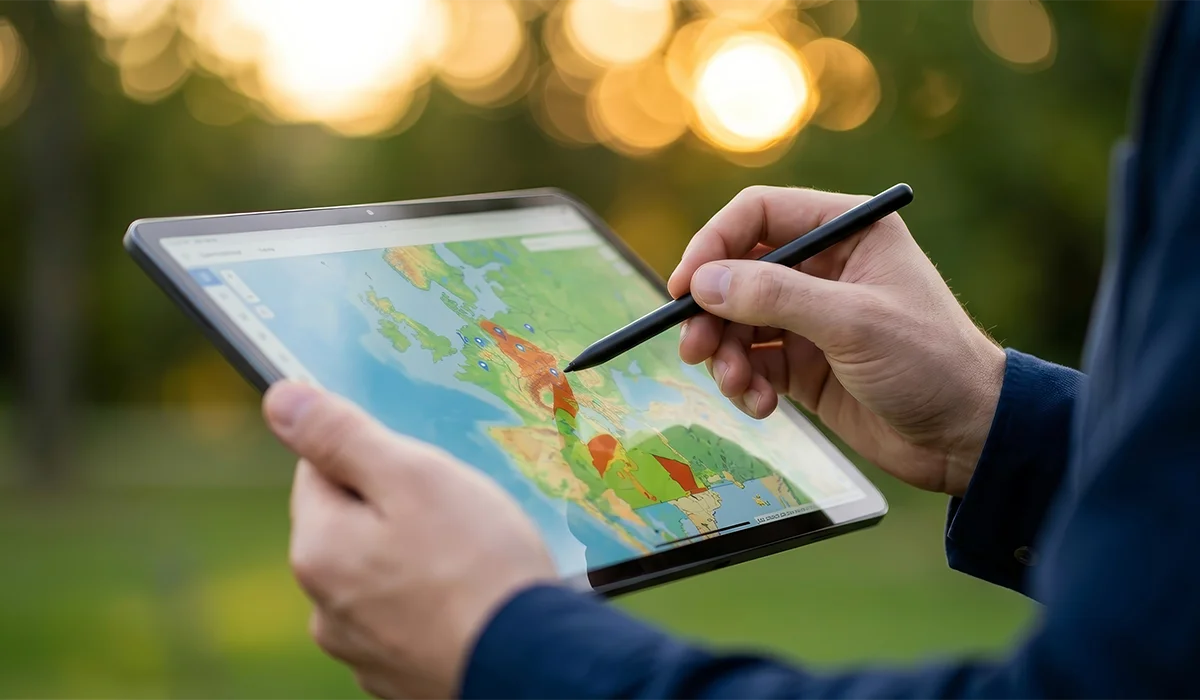
Field survey UAE research can reveal why consumers in different areas respond differently to the same product, service or campaign. Geography affects where people shop, travel, access services and make decisions. If overlooked, a strong result may hide local patterns.
Consumer behavior is rarely the same across every location. Differences in lifestyle, accessibility, local competition and daily routines can influence what people expect and how they respond to research questions. Understanding these geographic variations gives businesses a clearer picture of the market and helps them avoid making decisions based only on overall averages.
A well-planned geographic approach also helps researchers identify whether a finding is widespread or mainly linked to a particular area. This makes the research more useful when businesses are planning marketing, service improvements, expansion or customer engagement strategies.
How Geography Affects Consumer Responses in Field Surveys
The local environment shapes opinions
A respondent’s answer is influenced by more than personal preference. Nearby competitors, transport options, shopping habits and access to services can change expectations before an interview begins. Someone in a busy commercial area may compare several providers regularly, while another respondent may have fewer choices and value availability more strongly.
Different areas can reveal different priorities
A residential community may bring stronger views about convenience and reliability, whereas a business district may attract people who priorities speed and accessibility. Field survey planning should keep these local contexts visible from sampling through reporting.
Mapping Locations Before Fieldwork Begins
Location planning should start with the behavior being studied, not the easiest places for interviewers to reach. Researchers can identify where the target audience lives, works, shops, travels or uses the relevant service. This creates a sample linked to consumer activity rather than convenience. For survey data collection, locations can be grouped according to their role in the customer journey; this helps prevent heavily visited but commercially irrelevant locations from dominating the sample.
- Define the target audience and behavior being measured.
- Identify locations where that behavior naturally occurs.
- Give each selected location a clear research purpose.
- Set respondent targets before interviews begin.
Field Survey Services: Building a Balanced Geographic Sample
A balanced geographic sample starts with clear coverage goals rather than convenience. Field survey services UAE can help ensure that interviews are distributed across relevant locations, reducing the risk of over-representing one area.
Avoiding convenient but narrow coverage
One easy way to weaken geographic research is to concentrate interviews in places that are inexpensive or simple to access. Such a sample can become dominated by people with similar routines, even when the wider target population is more diverse.
Using quotas to manage coverage
Quotas help supervisors see whether the planned geographic mix is being achieved. They can be combined with relevant respondent characteristics when the research design requires it. This makes it easier to identify gaps while interviews are still taking place.
A field survey agency can monitor progress across locations and redirect recruitment when one area fills faster than expected, allowing gaps to be addressed before fieldwork closes. This makes geographic quotas a practical control rather than a final-stage check.
Treating Timing as Part of Geographic Sampling
Location and time should be considered together because the people present in one place can change during the day. An office district during working hours will attract a different audience from the same area in the evening, while shopping locations can change between weekdays and weekends. A well-planned study can cover different time periods when behaviour or footfall is likely to change. This can highlight differences in local routines and is especially useful for research on shopping, commuting, leisure and service use. It also helps ensure that the timing of fieldwork matches the intended respondent profile across selected locations.
- Compare weekday and weekend patterns where relevant.
- Include more than one time period when footfall changes.
- Record unusual events that may affect participation.
- Review respondent profiles during collection.
Controlling Interviewer Differences Across Locations
When several interviewers work across different areas, variations in approach can become confused with geographic differences. Tone, probing, screening explanations and handling of uncertain answers can all influence participation. Consistent training helps reduce this risk.
For a market research company in UAE, this quality layer is especially important when multiple teams are collecting responses at the same time. A common protocol keeps location as the variable being examined rather than interviewer behavior.
Separating Geographic Effects From Respondent Differences
Researchers can compare locations alongside relevant demographic and behavioral variables to establish whether a pattern remains consistent. This produces a more careful interpretation than attributing every difference to where respondents were interviewed.
The final comparison should consider sample size and the strength of the variation.
Field Survey UAE: Turning Local Differences into Business Decisions
Moving beyond location-based rankings
The most useful analysis explains what a geographic difference could mean for the business. A lower response in one area may relate to limited availability, lower awareness, inconvenient access or a proposition that does not match local expectations, while a stronger result elsewhere may indicate an opportunity. With primary data collection services, the report can translate these observations into practical actions. Researchers can explain which locations require attention and what evidence should guide the next step.
Making geographic reporting easier to use
A location-focused report should make meaningful differences visible without overwhelming decision-makers. Tables, charts and concise commentary can show how awareness, usage, satisfaction or consideration varies between selected areas. The explanation should distinguish substantial patterns from small differences that may not justify immediate action.
Using Field Data to Improve Future Studies
Good research can provide valuable insights for future projects and help improve planning over time. Teams can record which locations generated strong participation, which periods produced a varied respondent mix and where screening challenges occurred. For field data collection, maintaining location-level quality records can help estimate recruitment effort and identify recurring operational issues.
Over time, these records can support better scheduling, clearer briefing and more efficient supervision. Survey projects can use these lessons to make later sampling more precise. Data collection companies can also use records to plan staffing and anticipate location-specific challenges on future projects.
A Practical Geographic Fieldwork Framework
A strong geographic study connects sampling, recruitment, supervision and analysis instead of treating them as separate tasks. Each stage should answer a clear question about where respondents are located and how their surroundings might affect the results. This creates a path from the research objective to the recommendation.
- Stage 1: Define geographic questions and priority consumer groups.
- Stage 2: Segment locations according to behavior or access.
- Stage 3: Set quotas, interview periods and recruitment rules.
- Stage 4: Monitor coverage, quality and respondent profiles.
- Stage 5: Compare locations and investigate meaningful differences.
- Stage 6: Convert supported findings into location-specific recommendations.
Conclusion
Field survey UAE research becomes more reliable when geography is treated as an active part of the research design rather than a basic respondent detail. Location selection, timing, interviewing conditions, quotas and analysis each influence how confidently geographic differences can be interpreted. A thoughtful approach helps businesses move beyond broad averages and understand how customers experience products and services in different settings.
For tailored research planning, recruitment and fieldwork support, Anaemo Insights can assist with location-focused study design, data collection and clear, clear, actionable reporting.
Frequently Asked Questions
How does geographic sampling improve consumer research in a field survey?
It helps researchers identify whether responses vary between locations and whether a broad result is influenced by one type of area or respondent group.
Can interview timing affect the quality of research?
Yes. The people available at a location can change by time and day, so planned coverage can reduce the risk of overrepresenting a particular group.
How can businesses use location-based research findings?
They can use them to refine distribution, targeting, service planning, communications and resource allocation when evidence shows meaningful differences between areas.